
Evidence-backed canary page
Garage Door Opener Repair in Fremont
A garage door opener problem can be electrical, mechanical, or safety-sensor related. This page separates opener symptoms from spring or track failures so Fremont customers do not keep pressing the remote when the door itself is the real problem.
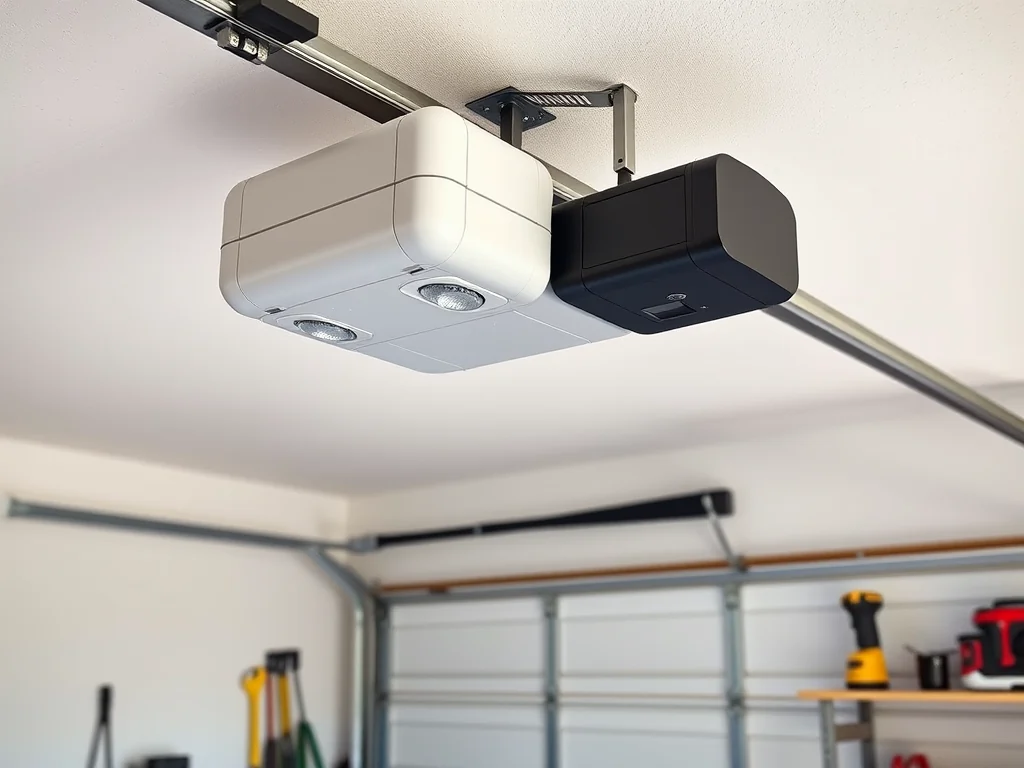
Service Guidance
Common Opener Symptoms
Typical opener calls involve a motor that hums without moving the door, a rail that jerks, a trolley that disconnects, remotes that stop pairing, a wall station that works intermittently, or photo-eye sensors that make the door reverse before it reaches the floor.
What To Check Safely
You can confirm that the opener has power, remove objects from the sensor path, and check whether the wall button and remote behave differently. Do not loosen springs, lift cables, brackets, or the opener rail to force movement.
When It May Not Be The Opener
If the door feels unusually heavy by hand, hangs at an angle, slams down, or has a visible broken spring, the opener may be responding correctly to a door balance problem. The spring and cable system should be diagnosed before the motor is blamed.
Need help with this issue?
Use the accepted site form on the homepage or call (510) 925-4544. The form route remains the previously verified Digital Optima CRM/webform layer.
Frequently Asked Questions
Why does my garage door close and then reverse?
A blocked or misaligned photo-eye sensor is a common cause, but travel-limit settings, wiring faults, or door resistance can also trigger reversal.
Can I keep using the opener if the spring is broken?
No. A broken spring makes the door too heavy for normal opener operation and can damage the motor or rail.
Do opener pages need a separate canonical URL?
Yes. This page has its own canonical URL because opener repair is a distinct customer intent from general garage door repair.
Opener Compatibility And Control Coverage
Garage Door Opener Replacement Planning
When an opener hums, strains, loses force settings, or no longer works with the door weight, the page now routes that as a replacement-planning question instead of assuming the motor alone is bad. The useful evidence is the opener age, rail movement, door balance symptoms, remotes, wall station behavior, and whether the door moves safely by hand only when disconnected by a qualified technician.
Battery Backup Opener Installation Compatibility
Battery-backup requests are handled as compatibility checks first: opener model, outlet location, backup module support, door balance, safety sensors, and homeowner access needs all matter. The content does not claim every opener can receive a battery backup; it asks for enough information to confirm whether backup equipment is appropriate.
Smart Garage Door Opener Installation Readiness
Smart opener requests need a practical readiness check: compatible opener hardware, Wi-Fi reach at the garage, safety sensor condition, wall-control wiring, and whether the door itself is balanced. The page can route smart-opener questions without inventing app, brand, or manufacturer-authorization claims.
Additional Repair Coverage For Related Symptoms
Garage Door Fell Off Track And Garage Door Stuck Halfway
In Local, a door that drops from the track, sits crooked, or stops halfway should be treated as a high-priority safety symptom. Useful details include which side is lower, whether a cable is loose, whether a roller has left the track, and whether the opener tried to pull against a stuck door. The content avoids do-it-yourself track or cable instructions.